Jadukata River
Where the hills part and the clear water cuts through
Overview
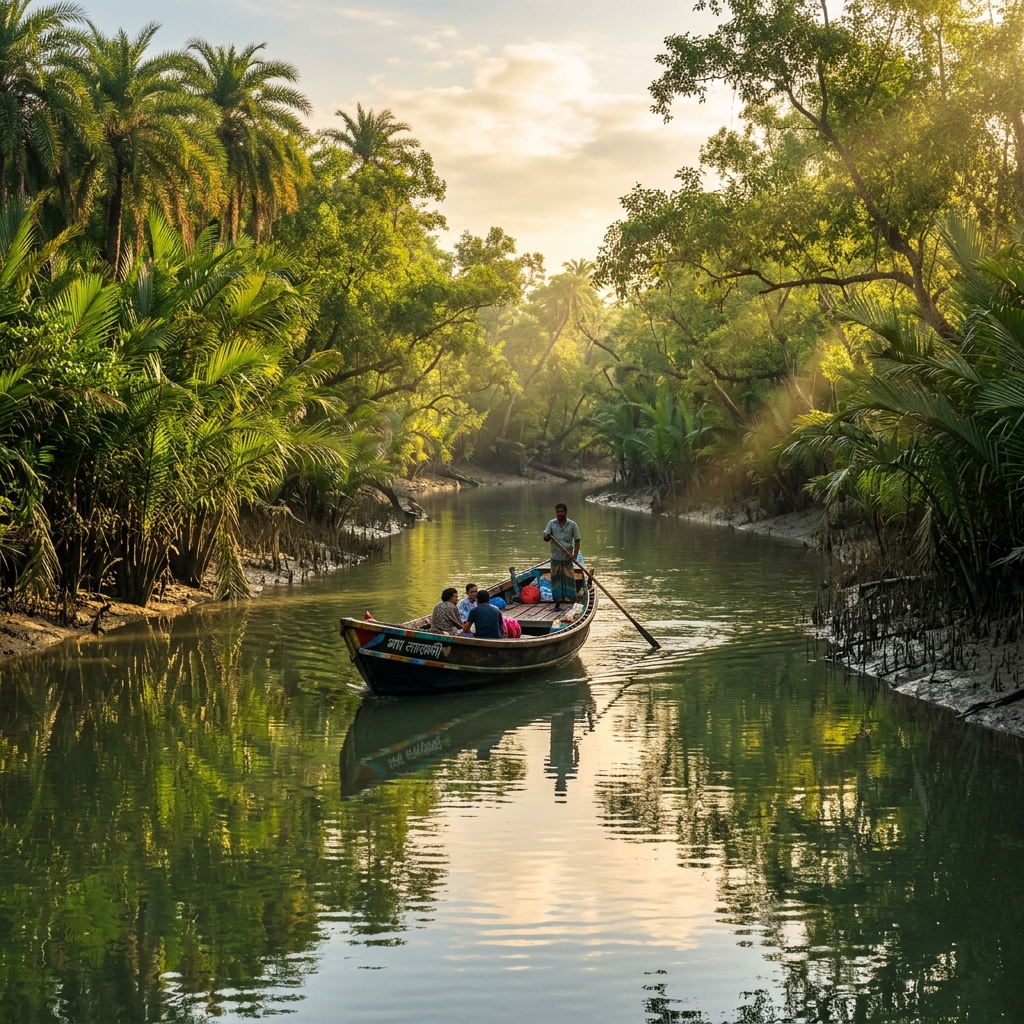
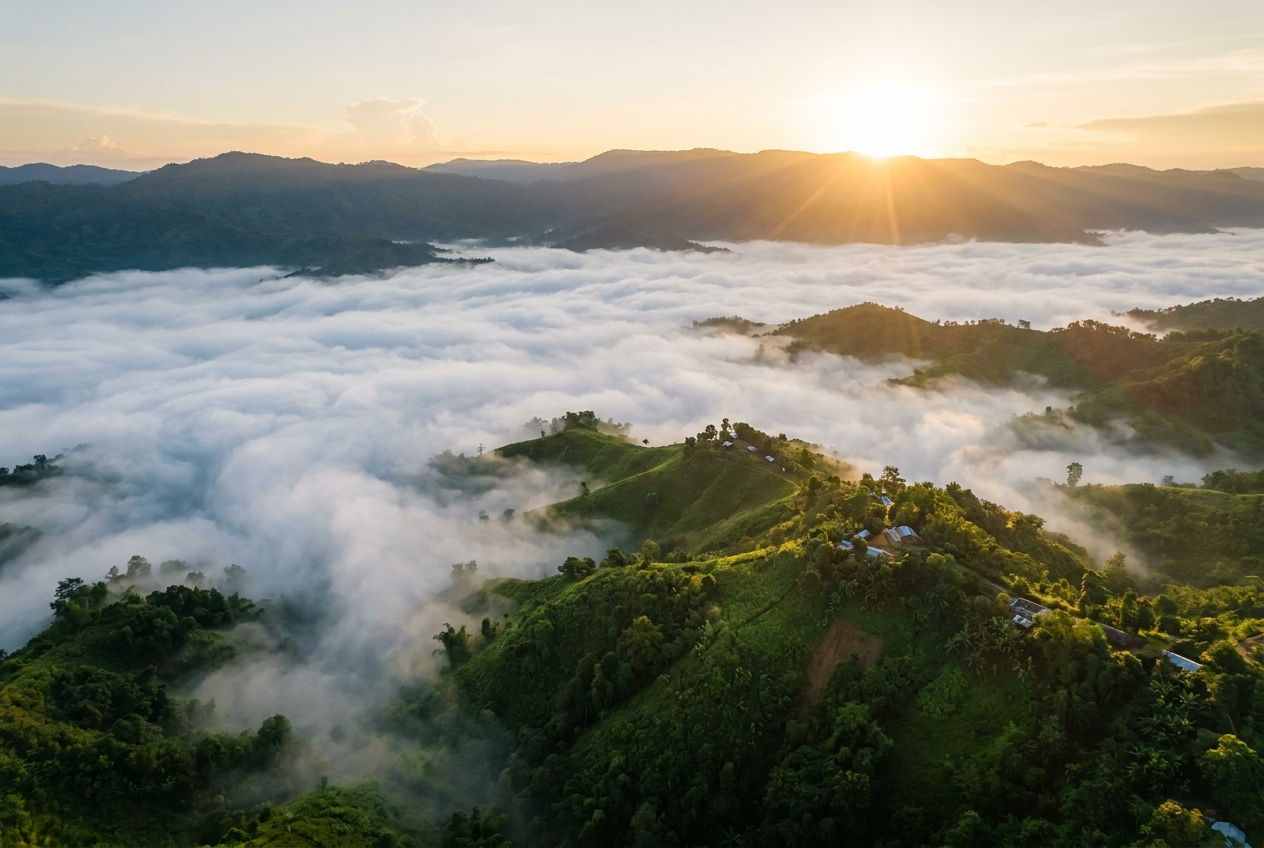
Jadukata is a hilly river that flows through Sunamganj district in the Sylhet Division, eventually joining the Surma downstream of the Tanguar Haor area. Its course cuts through forested terrain, with the Meghalaya foothills rising in the background, creating a striking landscape of clear water framed by green hills.
The river serves as the main route by road to Niladri Lake and acts as the access point for trips to Tanguar Haor, while also standing as a popular destination in its own right for day visits. Boat rides along the water are the main activity, taking visitors between the hills and forest to the edge of the haor.
Part of the broader Sunamganj wetland system, the river and its banks host a wide range of birdlife, making it a developing nature destination that appeals to photographers and birdwatchers. In the dry season, the clear water reveals rocky and sandy beds, with the green hills standing out behind in soft light.
The Jadukata can rise rapidly during the monsoon, when boat rides are only safe in the dry months. Most travellers combine a visit with nearby Niladri Lake and Tanguar Haor, starting from Sunamganj town for a rewarding full day among some of Sylhet's finest natural scenery.
History & Culture
The name Jadukata means 'magic-cutter' in Bangla, a poetic reference to the river's sharp bends as it winds through the hills. This descriptive name reflects how the waterway seems to slice through the landscape in unexpected ways.
Today the river forms part of the wider Sunamganj wetland system, a region that has long drawn visitors for its distinctive mix of forest, water, and foothill scenery. As a developing nature destination, Jadukata is increasingly valued by those seeking quieter alternatives to Bangladesh's more established tourist circuits.
Top things to do in Jadukata River
Take a boat ride along the river
Glide between the hills and forest on a traditional boat, travelling from the riverbanks to the edge of Tanguar Haor. The journey offers the best vantage point for the surrounding landscape.
Walk along the riverbanks
Stroll along the shore to admire driftwood, rocky stretches, and the play of light on the clear water. Mornings are particularly rewarding for photography and quiet observation.
Spot birdlife in the wetland forests
Watch for the wide range of birdlife that inhabits the banks and surrounding forests, making this a rewarding stop for birdwatchers. Bring binoculars and patience for the best sightings.
Combine with Niladri Lake and Tanguar Haor
Use Jadukata as a base to explore the wider Sunamganj wetland system, linking a visit to nearby Niladri Lake and the edge of Tanguar Haor in a single day.
Photograph the hills and reflections
Capture the green hills mirrored in the clear water, especially during the soft morning light of the dry season. The contrast between rocky beds, sand, and forest makes for striking compositions.
Jadukata River in pictures


Photos via Wikimedia Commons under their respective Creative Commons licences. Click a photo credit for the source and full licence terms.
Highlights
- ✓Hilly river cutting through forested terrain
- ✓Meghalaya foothills as a scenic backdrop
- ✓Gateway to Tanguar Haor and Niladri Lake
- ✓Rich birdlife along the banks and forests
- ✓Clear water revealing rocky and sandy beds in dry season
- ✓Popular with photographers and birdwatchers
How to get to Jadukata River
The river is reached from Sunamganj town, roughly 35-40 km away, taking around 1-1.5 hours by CNG or motorbike. The journey itself passes through attractive rural scenery.
Travellers typically follow the road through Tekerghat, which serves as a common staging point for boat rides along the Jadukata and onward trips to Tanguar Haor.
Most visitors combine Jadukata with Niladri Lake and Tanguar Haor for a full day out, starting early from Sunamganj to make the most of the morning light.
Best time to visit Jadukata River
The dry season from November to March is the most scenic time to visit, as the clear water reveals rocky and sandy beds and the green hills stand out behind. Boat rides are safe and the weather is comfortable for exploring.
The monsoon brings heavy rainfall and rapid rises in water level, making boat rides unsafe outside the dry months. Travellers should avoid planning river trips during this period.
Mornings throughout the dry season are particularly rewarding, offering soft light ideal for photography and the chance to see local life unfolding on the river.
Where to stay
Facilities on the river itself are limited, but basic guesthouses can be found in Sunamganj town and around Tekerghat. Travellers should bring cash as card acceptance is uncommon in the area.
What to eat
- 🍽️Local rice and fish curries served in small Sunamganj eateries
- 🍽️Freshly caught river fish prepared by boatside cooks
- 🍽️Traditional Bangladeshi breakfast of parathas and tea
- 🍽️Seasonal fruits and snacks from roadside stalls near Tekerghat
Travel tips
- 💡Agree the boat fare in advance before setting off
- 💡Start early in the morning for the best light and calmest conditions
- 💡Bring a camera to capture the hills, water, and driftwood on the banks
- 💡Carry cash, as card facilities are limited outside Sunamganj town
- 💡Plan your visit outside the monsoon, when boat rides are not safe
Nearby Attractions
Frequently Asked Questions
Where is Jadukata River located?+
Jadukata is a hilly river in Sunamganj district, Sylhet Division, where it eventually joins the Surma downstream of the Tanguar Haor area. The Meghalaya foothills form a scenic backdrop to its forested course.
What does the name Jadukata mean?+
The name translates as 'magic-cutter' in Bangla, a reference to the river's sharp bends as it winds through the hills. The descriptive name captures the way the water seems to slice through the landscape.
What is the best time to visit Jadukata?+
The dry season from November to March is the most scenic and safest time, with clear water, soft morning light, and stable boat conditions. The monsoon brings rapid water rises and makes boat rides unsafe.
How do I reach Jadukata from Sunamganj?+
The river lies about 35-40 km from Sunamganj town, a journey of around 1-1.5 hours by CNG or motorbike, typically via Tekerghat. Most visitors combine the trip with Niladri Lake and Tanguar Haor for a full day.
Is Jadukata suitable for birdwatching?+
Yes, the river forms part of the broader Sunamganj wetland system, and its banks and forests host a wide range of birdlife. It is a developing nature destination popular with photographers and birdwatchers alike.