Tanguar Haor
Bangladesh's vast wetland sanctuary for migratory birds
Overview
Tanguar Haor stands as Bangladesh's largest freshwater haor and one of the world's most important seasonal wetlands. Designated as a Ramsar wetland of international significance, this vast depression covers roughly 100 square kilometres in the Tahirpur and Dharmapasha areas of Sunamganj district. The landscape transforms dramatically with the seasons, offering visitors two distinct yet equally compelling experiences throughout the year.
During the monsoon months from June to October, Tanguar Haor swells into an immense shallow lake, creating a sea-like expanse beneath the Meghalaya hills. This dramatic transformation draws visitors seeking to witness nature's grandeur on an extraordinary scale. The flooded haor becomes a crucial breeding and nursery ground for thousands of freshwater fish species, sustaining both local livelihoods and the ecosystem's delicate balance.
From November through May, the waters recede to reveal a patchwork landscape of interconnected water bodies, dense reedy vegetation, and 46 villages built on small islands. This dry season abundance of shallow waters and wetland habitat makes Tanguar Haor one of the richest birding sites in South Asia, with over 300 bird species recorded including many rare and endangered varieties. The haor functions as a critical nursery ground for freshwater fish, supporting important local fisheries.
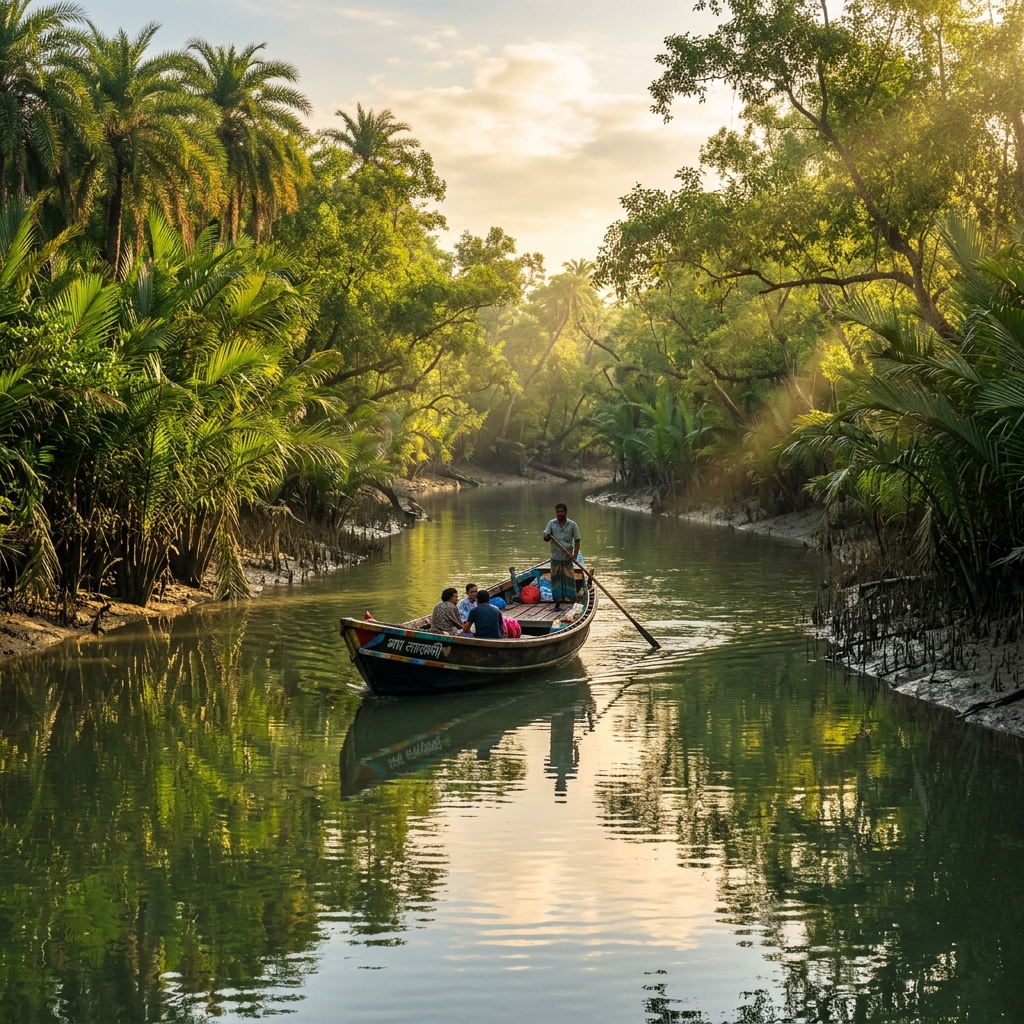
Exploring Tanguar Haor by boat offers unparalleled opportunities to observe migratory waterbirds in their natural habitat. Early mornings and dusk periods provide the best chances for wildlife viewing, whilst an experienced local guide and binoculars prove invaluable for identifying species. Whether you choose a day trip or an increasingly popular overnight houseboat experience, Tanguar Haor delivers an immersive encounter with one of South Asia's most biodiverse and ecologically significant wetlands.
History & Culture
Tanguar Haor has long been recognised as a landscape of extraordinary ecological importance. Its designation as a Ramsar wetland of international importance reflects its status as a wetland of global significance for biodiversity, placing it amongst the world's most critical wetland ecosystems.
The haor's role extends beyond conservation significance to sustain local communities. The 46 villages built on islands within the wetland depend on its seasonal rhythms, and the freshwater fisheries that thrive here provide vital livelihoods whilst the ecosystem itself continues to support thousands of migratory waterbirds each season.
Top things to do in Tanguar Haor
Dawn and Dusk Bird Watching
Rise early or stay through dusk to observe migratory waterbirds at their most active. An experienced local guide and binoculars are essential for identifying species amongst the vast flocks.
Overnight Houseboat Experience
Immerse yourself fully in the haor with an increasingly popular overnight houseboat trip, observing the landscape and wildlife through both day and night hours from the water.
Explore Island Villages
Visit the 46 small island villages to experience traditional wetland living and local fishing practices that have sustained communities for generations.
Monsoon Season Boat Tour
Witness the dramatic transformation of the haor during monsoon months when it swells into a vast shallow lake beneath the Meghalaya hills backdrop.
Fishing Ground Observation
Understand the haor's role as a critical freshwater fish nursery by observing local fishing techniques and learning about the ecosystem's economic importance.
Tanguar Haor in pictures


Photos via Wikimedia Commons under their respective Creative Commons licences. Click a photo credit for the source and full licence terms.
Highlights
- ✓Over 300 bird species, many rare and endangered
- ✓Vast monsoon expansion into a sea-like landscape
- ✓Patchwork of water bodies and reedy vegetation in dry season
- ✓46 island villages and traditional fishing communities
- ✓Ramsar wetland of global biodiversity significance
- ✓Critical freshwater fish nursery and breeding ground
How to get to Tanguar Haor
Travel by road from Sylhet city towards Sunamganj district, covering roughly 80–100 km (approximately 2–3 hours). Upon arrival in the Tahirpur area, hire a local boat to access the wetland.
Local boats depart from Tahirpur and Dharmapasha areas. Arrange boat hire through your guesthouse or guide; dawn departures are ideal for wildlife viewing.
Most visitors hire an experienced local guide who knows the birds, water routes, and best viewing spots, considerably enhancing the wetland experience.
Best time to visit Tanguar Haor
November to March offers the finest climate for visiting Tanguar Haor. During these months, migratory waterbirds arrive in their thousands, water levels recede to create optimal habitat, and clear skies permit excellent visibility. December and January stand out as peak birding season, when rare and endangered species are most readily observed.
June to October transforms the haor into a vast sea-like expanse during the monsoon. Whilst this season creates dramatic scenery and supports crucial breeding cycles, visitor access and wildlife observation can be more challenging. However, many visitors specifically seek this period for its spectacular landscape transformation.
The dry season's patchwork of water bodies, vegetation, and island villages creates the most accessible conditions for boat exploration and community visits. The receded waters and reduced rainfall make early morning departures straightforward, whilst the concentrated water bodies maximise bird-watching opportunities.
Where to stay
Basic guesthouses are available in nearby Tahirpur. Many visitors opt for increasingly popular overnight houseboat experiences on the haor itself, allowing immersion in the wetland landscape and extended wildlife observation from dawn through dusk.
What to eat
- 🍽️Fresh-caught freshwater fish from local haor fisheries
- 🍽️Traditional village preparations of seasonal catch
- 🍽️Regional Sunamganj cuisine featuring wetland ingredients
- 🍽️Tea and light refreshments from island community guesthouses
Travel tips
- 💡Hire an experienced local guide who knows bird species and can navigate the haor's water routes effectively.
- 💡Bring quality binoculars and a field guide for identifying over 300 recorded bird species.
- 💡Depart at dawn or remain through dusk when migratory birds are most active and visible.
- 💡Apply strong sun protection—the water's reflection intensifies UV exposure during boat tours.
- 💡Book overnight houseboat trips in advance, especially during peak birding season (December–January).
Nearby Attractions
Frequently Asked Questions
What makes Tanguar Haor internationally significant?+
Tanguar Haor is designated as a Ramsar wetland of international importance and one of the world's most important seasonal wetlands. It supports over 300 bird species and functions as a critical breeding and nursery ground for freshwater fish, making it a wetland of global biodiversity significance.
When is the best time to visit for bird watching?+
November to March is optimal, with December and January representing peak birding season. During these months, migratory species are most abundant, water levels create ideal habitat, and weather conditions provide clear visibility for observation.
How do I get to Tanguar Haor from Sylhet?+
Travel by road from Sylhet city to Tahirpur or Dharmapasha in Sunamganj district, covering roughly 80–100 km (approximately 2–3 hours). Upon arrival, hire a local boat to access the wetland. An experienced guide is recommended.
What wildlife will I see at Tanguar Haor?+
Over 300 bird species are recorded, including many rare and endangered varieties. The haor also supports important populations of freshwater fish. Early morning and dusk visits offer the best opportunities for wildlife observation.
What should I bring when visiting?+
Bring quality binoculars, a bird field guide, strong sun protection (the water intensifies UV exposure), and comfortable clothing suitable for boat travel. Consider hiring a local guide to enhance species identification and access to the best viewing locations.