
Sylhet City
The spiritual capital on the Surma
Sylhet City is located in Sylhet Division. A riverside city of Sufi shrines, the iconic Keane Bridge and tea-clad hills — the gateway to Sylhet's waterfalls, swamp forests and tea gardens. The optimal visiting season is October to March, avoiding the heaviest monsoon rains that this very wet region is known for. with a recommended stay of 1–2 days in the city, longer to explore the wider region.
Overview
Sylhet City sits on the banks of the Surma River in the green, hilly north-east of Bangladesh, and is widely regarded as the country's spiritual capital. Ringed by tea gardens and rolling hills, it blends devotion, commerce and natural beauty in a way no other Bangladeshi city quite matches.
Its heart is the dargah of Hazrat Shah Jalal, the fourteenth-century Sufi saint credited with spreading Islam across the region. Pilgrims arrive from all over the country to pay their respects, feed the large koi fish in the shrine's pond, and visit the nearby shrine of his companion Shah Paran. The atmosphere of quiet devotion here is central to the city's identity.
Along the river, the steel Keane Bridge — opened in 1936 and named after a British governor — has become the symbol of Sylhet, especially when lit at dusk. Beside it stands Ali Amjad's Clock, a historic riverside clock tower that has kept time over the Surma for generations.
Sylhet is also the ancestral home of much of the British-Bangladeshi diaspora, which gives the city a distinctly cosmopolitan, remittance-fuelled energy. For travellers, it is above all a comfortable base — a place to rest between day trips to Jaflong, Ratargul, Bisnakandi and the tea estates of Srimangal.
History & Culture
Sylhet's history is bound up with the arrival of Hazrat Shah Jalal in the fourteenth century. According to tradition he came with a band of followers and helped establish Islam across the region, and his shrine has been a focus of pilgrimage ever since.
Under later rule the city grew as a regional centre, and the colonial era left its mark most visibly in the Keane Bridge and Ali Amjad's Clock on the Surma riverfront. In the twentieth century, large-scale migration — especially to the United Kingdom — tied Sylhet closely to its global diaspora, shaping its modern economy and skyline.
Top things to do in Sylhet City
Visit the shrine of Shah Jalal
Pay your respects at the dargah of the saint who shaped the region's faith, watch pilgrims and the famous koi fish in the pond, and absorb the atmosphere of devotion. Dress modestly and remove your shoes.
See Keane Bridge at dusk
Walk to the riverfront to admire the 1936 steel bridge, the symbol of Sylhet, especially beautiful when it and Ali Amjad's Clock are lit against the evening sky.
Pay respects at Shah Paran's shrine
A short way from the city centre, the shrine of Shah Jalal's companion Shah Paran is another important and peaceful pilgrimage site.
Stroll the Surma riverfront
Take in everyday river life along the Surma, with boats, the old clock tower and views back across the water to the city.
Use the city as a day-trip base
Sylhet is the natural hub for excursions to Jaflong's stone-strewn rivers, the Ratargul swamp forest, Bisnakandi and Lalakhal, and the tea country around Srimangal.
Taste Sylheti cuisine
Seek out local specialities such as satkora beef and hatkora curries, and try the famous seven-layer tea associated with the nearby tea region.
Video Guide: Experience Sylhet City
Watch cinematic 4K footage and essential visual travel highlights before planning your trip to Sylhet City.
Sylhet City in pictures


Photos via Wikimedia Commons under their respective Creative Commons licences. Click a photo credit for the source and full licence terms.
Highlights
- ✓Shrine (dargah) of Hazrat Shah Jalal
- ✓Shrine of Shah Paran
- ✓Keane Bridge over the Surma River
- ✓Ali Amjad's Clock tower
- ✓Tea gardens and hills around the city
- ✓Gateway to Jaflong, Ratargul and Srimangal
How to get to Sylhet City
Osmani International Airport receives several daily flights from Dhaka, taking only about 45–55 minutes — the fastest option.
Intercity trains such as the Parabat, Joyantika, Upaban and Kalni Express connect Dhaka with Sylhet in roughly 6–7 hours, a scenic and relaxed journey.
Buses run from Dhaka in around 5–6 hours, with frequent AC and non-AC services.
Best time to visit Sylhet City
October–March: dry and pleasant, the best time for the city and for day trips to the surrounding sights.
April–May: warm with building pre-monsoon showers that begin to green the hills.
June–September (monsoon): Sylhet is among the wettest parts of the country; rivers and waterfalls are at their fullest but heavy rain can disrupt travel.
Where to stay
Sylhet City has a wide choice of hotels from budget to upmarket, making it the most convenient base for exploring the division's natural attractions on day trips.
What to eat
- 🍽️Satkora (citrus) cooked with beef
- 🍽️Hatkora curries
- 🍽️Dried-fish (shutki) dishes
- 🍽️Akhni rice and local biryani
- 🍽️Seven-layer tea from the nearby tea region
Travel tips
- 💡Dress modestly at the shrines, remove your shoes, and note there is a separate area for women.
- 💡Base yourself in the city and take day trips to Jaflong, Ratargul, Bisnakandi and Srimangal.
- 💡Carry rain protection — Sylhet is one of the wettest regions, and showers can arrive suddenly.
- 💡Hire a car with a driver for full-day excursions, as several sights are an hour or more away.
- 💡Try to see Keane Bridge in the evening when it is lit.
Nearby Attractions
The country's tea capital, with its endless green estates and seven-layer tea, lies a short journey south of the city.
A scenic stretch of stone-strewn rivers and Khasi hills on the Indian border, a popular day trip from Sylhet.
Bangladesh's freshwater swamp forest, best explored by boat, is within easy reach of the city.
Frequently Asked Questions
What is Sylhet City known for?+
It is known as the spiritual capital of Bangladesh, home to the shrine of the Sufi saint Hazrat Shah Jalal, the iconic Keane Bridge on the Surma River, and as the gateway to tea gardens, waterfalls and swamp forests.
How do I get to Sylhet from Dhaka?+
The quickest way is to fly into Osmani International Airport (about 45–55 minutes). Intercity trains take roughly 6–7 hours, and buses around 5–6 hours.
What can I visit on day trips from Sylhet?+
The city is an excellent base for Jaflong, the Ratargul swamp forest, Bisnakandi and Lalakhal, and the tea estates around Srimangal — most are within one to three hours by road.
When is the best time to visit Sylhet?+
October to March is best, with dry, pleasant weather. Sylhet is one of the wettest regions of the country, so the monsoon months bring heavy rain that can disrupt travel, even as it fills the rivers and waterfalls.
What should I know before visiting the Shah Jalal shrine?+
Dress modestly with covered shoulders and legs, remove your shoes before entering, and be aware there is a separate area for women. The shrine is a place of active worship, so be respectful of pilgrims.
Related Destinations & Travel Guides
Explore 5 interlinked destinations in Sylhet Division& surrounding regions
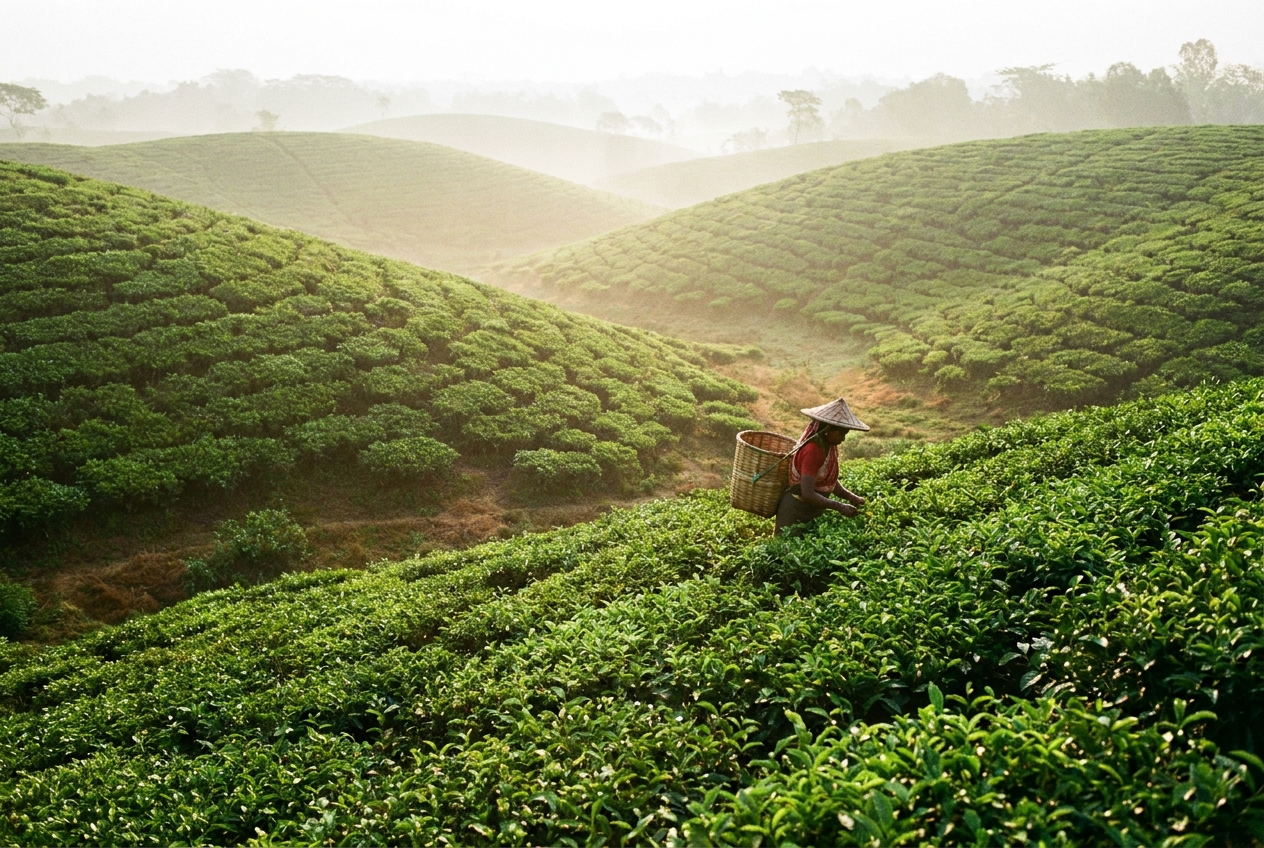
Endless rolling tea gardens, the famous seven-layer tea, and the Lawachara rainforest alive with the calls of Hoolock gibbons.

Crystal-clear river water rolling boulders down from the Khasi hills, set against the green peaks of the Indian border — the scenic gem of Sylhet.

A freshwater swamp forest you explore by boat, where trees stand in the water and the canopy closes overhead — the only one of its kind in the country.

A fascinating museum located in the ancestral home of Hason Raja, exploring the life, music, and philosophy of the legendary mystic poet.

A protected wetland sanctuary near Srimangal, renowned for its incredible diversity of water birds, lotus fields, and serene natural beauty.