Lalakhal
Emerald waters meet misty hills on Bangladesh's quietest river
Overview
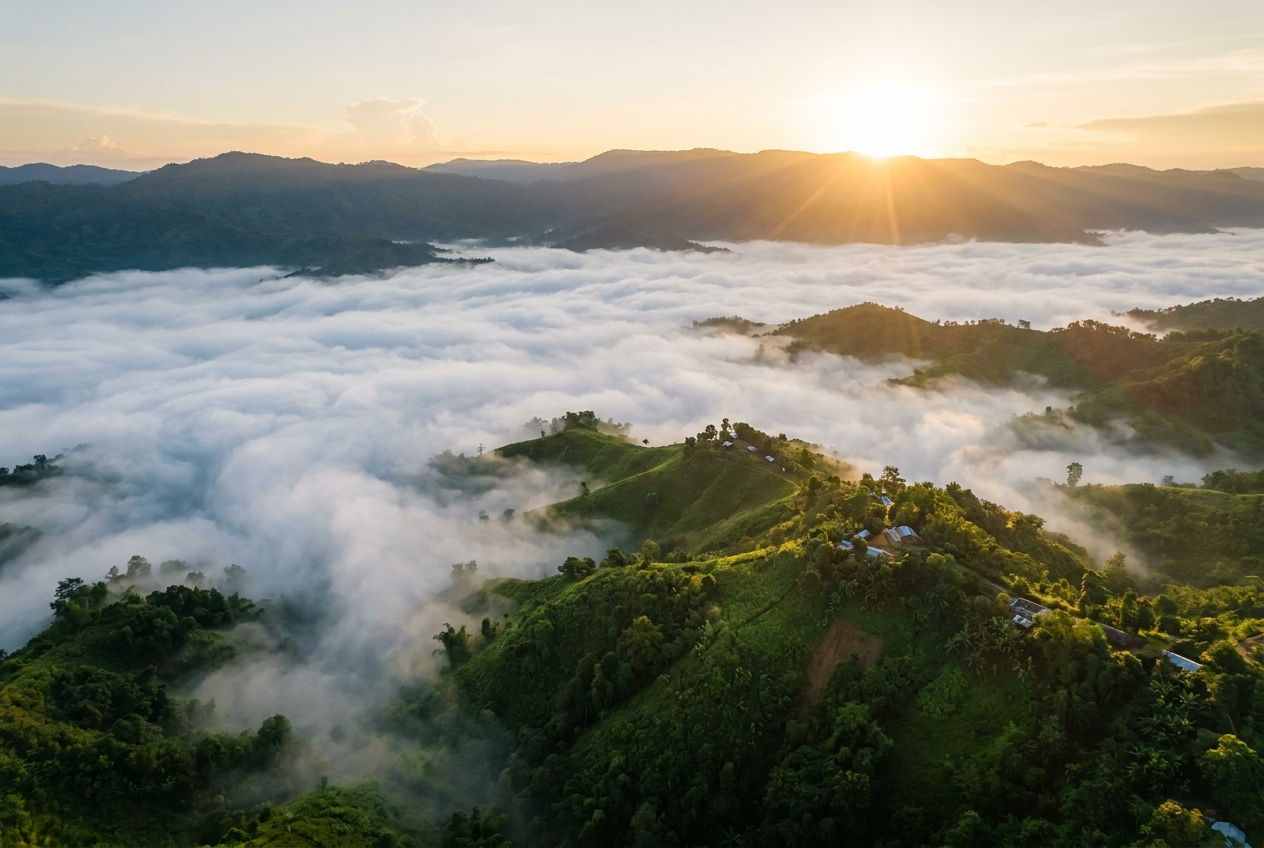
Lalakhal is a picturesque riverside destination nestled in Jaintiapur upazila within Sylhet Division. Here, the Sari river—a tributary of the Surma—flows clear and cold over a rocky bed, painting the landscape with striking blue-green waters. Steep, densely forested hills rise dramatically from the riverbanks, creating a natural amphitheatre of untouched beauty. This tranquil spot has remained largely undeveloped compared to nearby tourist hubs, preserving its authentic rural character and serene atmosphere for visitors seeking genuine escape.
The signature feature of Lalakhal is undoubtedly the river's distinctive blue-green hue, especially mesmerising during the clear, cool months of the dry season. The rocky riverbed beneath the transparent water creates rippling patterns of light and shadow, whilst the surrounding hills frame the landscape with layers of emerald forest. Morning light casts a golden glow across the water, transforming the scene into a photographer's paradise. The combination of geological drama and natural colour makes Lalakhal a uniquely atmospheric destination in Bangladesh's north-east.
Lalakhal occupies a strategic position on routes between Sylhet city and Jaflong, making it an ideal stop for those exploring the wider Sylhet region. The area is becoming increasingly popular amongst travellers seeking a more rural, undeveloped experience than crowded tourist hotspots. Several small guesthouses and restaurants perch on the riverbanks, offering basic but comfortable lodging and local meals with river views. The developing infrastructure preserves the destination's quiet character whilst providing essential visitor amenities.
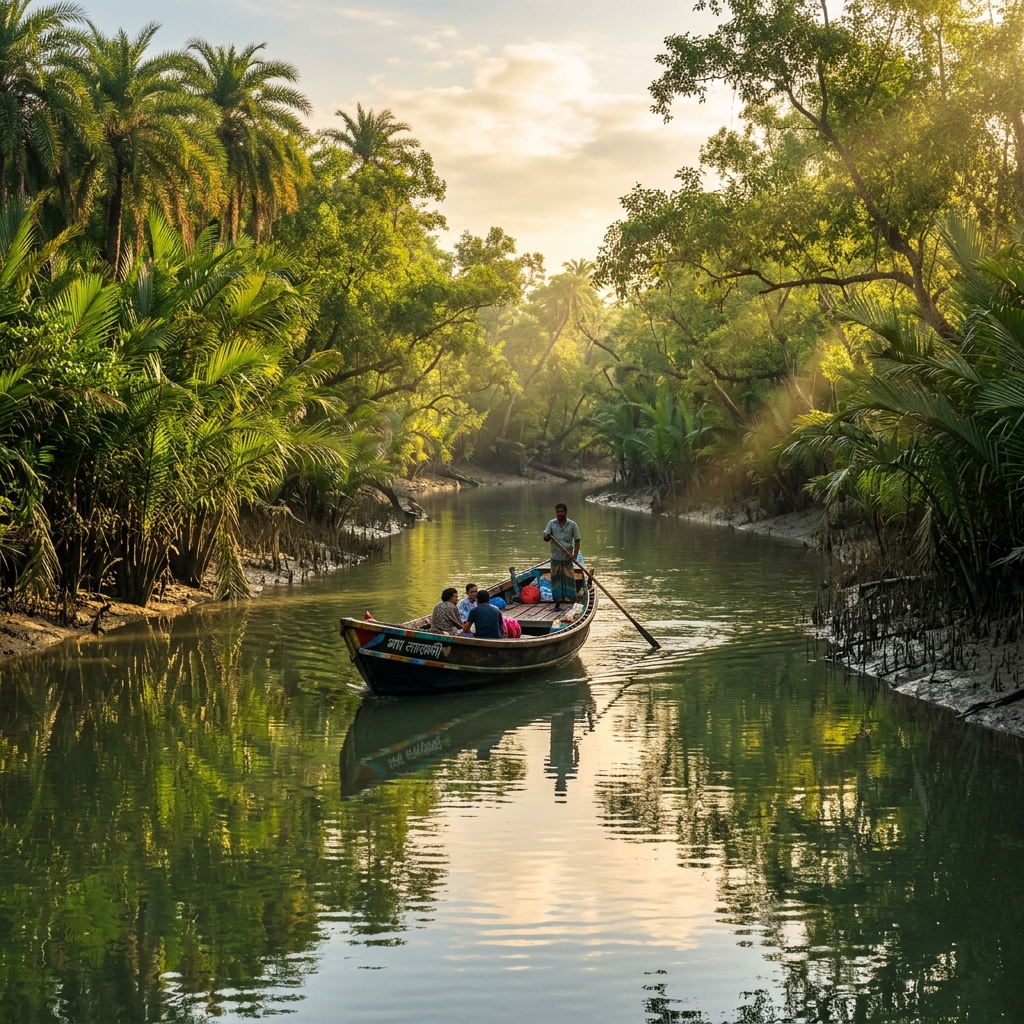
The primary activity at Lalakhal is exploring the river by boat, drifting between the forested hills and tea gardens that characterise the Sylhet landscape. Early morning visits reward visitors with the clearest light and calmest waters, ideal for photography and peaceful reflection. Those interested in trekking should engage a local guide to navigate the surrounding hills safely. Whether as a standalone day trip or part of a broader Sylhet hills tour, Lalakhal offers a refreshing immersion in Bangladesh's natural heritage.
History & Culture
Lalakhal derives its significance from its position along the Sari river, a tributary of the Surma that has shaped settlement and livelihoods in Jaintiapur for generations. The river's reliable flow and the surrounding landscape have sustained local communities through agriculture, fishing and increasingly through eco-tourism. As a destination, Lalakhal remains rooted in its rural identity, having resisted the intensive development seen in other Sylhet attractions.
The area forms part of the broader Sylhet region, renowned for its tea gardens, limestone hills and river systems. Lalakhal's emergence as a tourist destination reflects growing interest in authentic, minimally developed natural spaces within Bangladesh. Its quieter character and distinctive geological features position it as an alternative to more established northern attractions, appealing to independent travellers and those seeking solitude in nature.
Top things to do in Lalakhal
Boat rides on the Sari river
Drift along the clear waters between forested hills and tea gardens, observing the distinctive blue-green hue and rocky riverbed. Early morning trips offer the best light and calmest conditions.
Photography and landscape viewing
Capture the striking interplay of emerald forest, blue-green water and golden morning light. The river's colour and surrounding hills provide endless photographic opportunities.
Guided hill trekking
Explore the steep forested hills surrounding the river with a knowledgeable local guide. Discover the landscape beyond the riverbank and understand the region's natural geography.
Riverside dining and relaxation
Settle into one of the small riverfront restaurants for local meals whilst watching the water flow past. Savour the peaceful atmosphere and gentle rhythm of rural riverside life.
Day trips between Sylhet and Jaflong
Use Lalakhal as a strategic stopping point whilst exploring the broader Sylhet region, combining it with visits to other hills, tea gardens and attractions.
Lalakhal in pictures


Photos via Wikimedia Commons under their respective Creative Commons licences. Click a photo credit for the source and full licence terms.
Highlights
- ✓Blue-green waters of the Sari river flowing over a rocky bed
- ✓Steep, densely forested hills rising dramatically from the banks
- ✓Riverside boat rides through tea gardens and natural landscape
- ✓Serene, undeveloped atmosphere ideal for photography and contemplation
- ✓Small authentic guesthouses and restaurants with river views
- ✓Strategic location on routes between Sylhet city and Jaflong
How to get to Lalakhal
Lalakhal lies approximately 50–60 km from Sylhet city, requiring 1.5–2 hours travel by road. Regular CNG and motorbike services connect the city to the riverside destination.
Local transport relies primarily on CNGs and motorbikes, which navigate rural roads efficiently. Arrange transport through your guesthouse or hire locally in Sylhet city.
Lalakhal sits on common routes to Jaflong and other Sylhet attractions, making it ideal for inclusion in multi-day regional itineraries or arranged tour packages.
Best time to visit Lalakhal
October to March represents the dry season, when skies are clear, temperatures pleasantly cool, and the Sari river flows gently with excellent visibility. The blue-green water is most striking in this period, and morning light illuminates the landscape beautifully. This is the ideal window for photography, boat rides and hillside exploration.
Monsoon season (June to September) transforms the river into a swift, powerful watercourse, making wading and certain boat activities risky. Heavy rainfall increases flood risk and can render rural roads difficult to navigate. Whilst the lush green landscape is dramatic during this period, it is not recommended for general visitors.
April and May represent the hot, pre-monsoon shoulder months, when heat can be intense and the river's flow becomes more unpredictable as monsoon approaches. These months offer fewer visitors but greater physical demands on travellers. October is the ideal entry point into the high season, whilst March marks its end.
Where to stay
Several small, family-run guesthouses line the riverbanks, offering basic but comfortable accommodation with views of the Sari river. These establishments provide modest en-suite rooms and often serve meals in on-site restaurants, creating a simple riverside retreat.
What to eat
- 🍽️Fresh fish from the Sari river, grilled or prepared in local curries
- 🍽️Rice dishes and dal, staples of Sylhet's everyday cuisine
- 🍽️Tea from nearby gardens, served hot and traditionally with milk and sugar
- 🍽️Seasonal vegetables and leafy greens grown in the surrounding region
Travel tips
- 💡Visit early morning for the clearest light, calmest water and most atmospheric landscape photography.
- 💡Bring a reliable camera and sturdy footwear; the riverbanks can be muddy and uneven.
- 💡Hire a local guide if you plan to trek into the hills; they navigate safely and provide cultural insight.
- 💡Confirm weather conditions before visiting during the shoulder months; heavy rains can make roads inaccessible.
- 💡Respect local communities and avoid disturbing wildlife; Lalakhal's appeal lies in its undeveloped, natural character.
Nearby Attractions
Frequently Asked Questions
What makes Lalakhal's river water blue-green?+
The Sari river's distinctive blue-green hue results from its clear flow over a rocky bed and the surrounding landscape's reflection. This colour is especially striking in clear, dry-season light, making it the destination's signature feature and a magnet for photographers.
How far is Lalakhal from Sylhet city?+
Lalakhal lies approximately 50–60 km from Sylhet city, requiring 1.5–2 hours of travel by road. Local CNGs and motorbikes provide transport from the city to the riverside.
Is Lalakhal suitable for families with children?+
Yes, Lalakhal's calm atmosphere and boat activities suit families well during the dry season (October–March) when river conditions are safest. Basic accommodation and restaurants cater to visitors, though facilities remain modest. Ensure children wear life jackets during boat rides and that a guide accompanies any hill exploration.
Can I combine Lalakhal with other Sylhet attractions?+
Absolutely. Lalakhal sits on common routes between Sylhet city and Jaflong, and is frequently included in multi-day Sylhet hills tours. It makes an excellent stopping point for travellers exploring the region's tea gardens, limestone formations and other natural attractions.
What should I avoid when visiting Lalakhal?+
Avoid visiting during monsoon season (June–September), when the river becomes swift and dangerous. Travellers should not venture into hills without a guide, and should respect the quiet, undeveloped character of the area by minimising noise and waste. Check road conditions before travel during shoulder months.