Dublar Char
The mystical fishing island of the Sundarbans
Overview
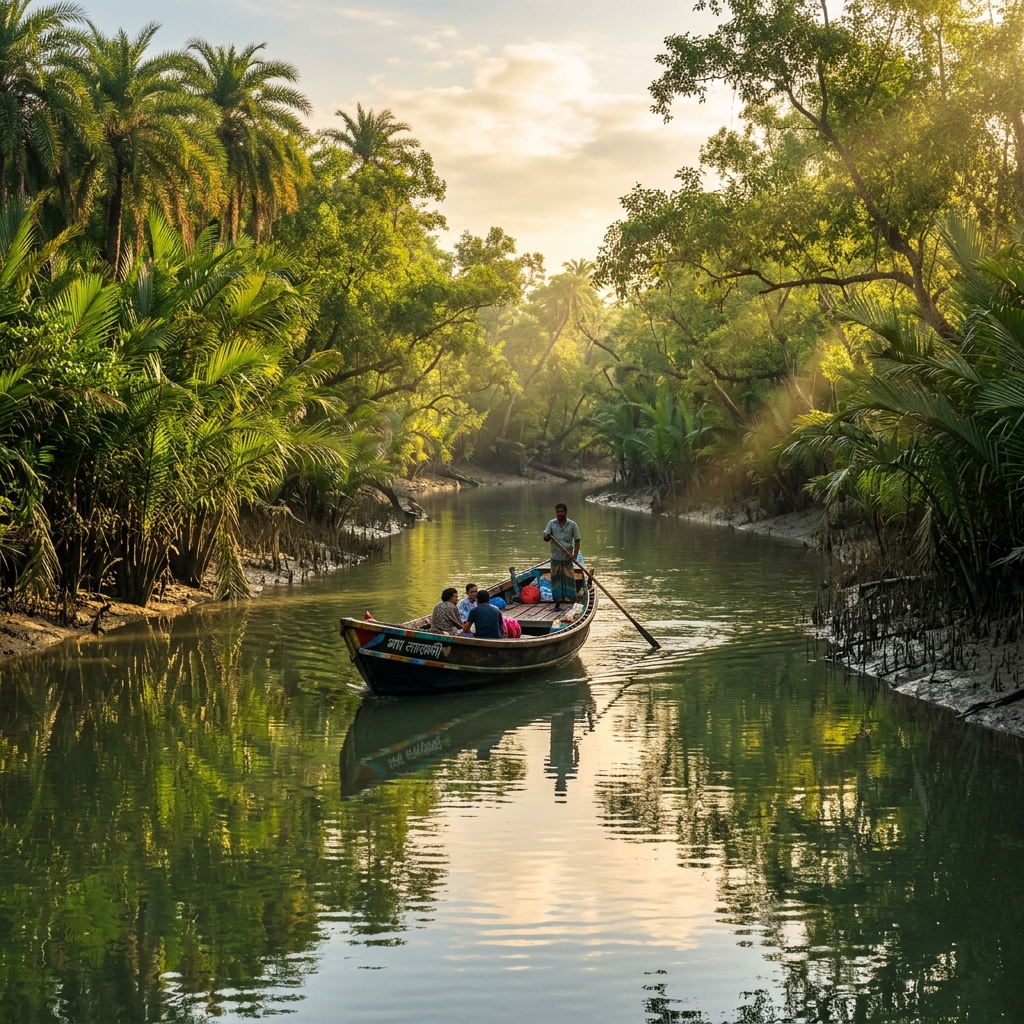
Dublar Char is a remote, flat island located in the southern part of the Sundarbans, where the mighty Pasur River meets the Bay of Bengal. For most of the year, it is a quiet, desolate island surrounded by dense mangrove forests and expansive tidal flats, occasionally visited by roaming deer and fishing eagles.
However, during the winter months, the island transforms dramatically. It becomes the largest temporary dry-fish (shutki) processing hub in Bangladesh. Thousands of fishermen from the mainland establish temporary camps on the island for 4-5 months, hauling in massive daily catches from the sea and drying them under the winter sun. The sheer scale of this seasonal industry is an incredible sight to behold.
The island is also culturally significant as the site of the annual Rash Mela and holy bathing festival (Punya Snan). Held during the full moon in November, this Hindu festival draws thousands of pilgrims and tourists who come to bathe in the sea at dawn, bringing a burst of vibrant color and festivity to the remote wilderness of the Sundarbans.
History & Culture
The tradition of setting up temporary fishing camps on Dublar Char dates back decades. The island's strategic location near rich fishing grounds in the Bay of Bengal made it an ideal base for fishermen who couldn't commute back to the mainland daily.
The Rash Mela festival is dedicated to Lord Krishna and his divine love, Radha. The tradition of gathering at Dublar Char for the holy bath has been observed for over a century, blending deep religious devotion with the harsh reality of the fishermen's lives.
Top things to do in Dublar Char
Visit the Fishermen Camps
Walk through the temporary winter settlements to witness the incredibly labor-intensive process of sorting, salting, and sun-drying thousands of fish.
Experience the Rash Mela
If visiting during the November full moon, witness the spiritual fervor of the Rash Mela, observing the dawn holy bath and browsing the temporary village fair.
Beach Walk
Stroll along the expansive sandy beaches of the island, keeping an eye out for interesting seashells and the diverse birdlife of the estuary.
Dublar Char in pictures


Photos via Wikimedia Commons under their respective Creative Commons licences. Click a photo credit for the source and full licence terms.
Highlights
- ✓Massive seasonal dry-fish (shutki) processing camps
- ✓The vibrant and historic Rash Mela festival in November
- ✓Untouched beaches facing the Bay of Bengal
- ✓Proximity to the core mangrove forests of the Sundarbans
- ✓Spotting spotted deer and wild boars near the forest edge
How to get to Dublar Char
Dublar Char can only be reached by water. The most practical way is to book a multi-day Sundarbans cruise from Khulna or Mongla, which usually includes Dublar Char in its itinerary, especially during the winter season.
Best time to visit Dublar Char
November: The best time to visit if you want to experience the vibrant Rash Mela festival and the holy bath.
December to February: The dry-fishing camps are in full operation, and the weather is dry and pleasant for cruising.
Monsoon (June to September): The island is largely abandoned due to rough seas, and cruise tours to this part of the Sundarbans are halted.
Where to stay
There are no tourist accommodations on the island. Visitors sleep on their chartered tour boats or cruise ships moored near the island.
What to eat
- 🍽️Freshly caught seafood prepared on your tour boat
- 🍽️If you are a fan of dry fish, purchasing directly from the source here ensures top quality.
Travel tips
- 💡The smell of the drying fish can be quite overpowering; bring a mask or scarf if you have a sensitive nose.
- 💡Always travel with a reputable tour operator, as navigating the Sundarbans requires expertise and forest department permits.
- 💡During the Rash Mela, the island gets extremely crowded, so stick close to your guide.
Nearby Attractions
Frequently Asked Questions
Can I visit Dublar Char independently?+
No, traveling deep into the Sundarbans requires an armed forest guard and official permits, which are managed by tour operators.
Will I see tigers on the island?+
Tigers are rarely seen on Dublar Char itself, especially during winter when the island is heavily populated by fishermen, but they inhabit the surrounding forests.
What happens to the island during the monsoon?+
The fishermen dismantle their temporary camps and return to the mainland. The island is left to nature and is often inundated by high tides and rough seas.