Kotka Beach
The pristine beach deep in the mangroves
Overview
Located in the deep southern reaches of the Sundarbans, facing the vast Bay of Bengal, Kotka (or Katka) is one of the most remote and spectacular destinations in Bangladesh. It is not a beach in the traditional sense of resorts and swimming; rather, it is a wild, completely untouched stretch of sand where the dense mangrove forest directly meets the roaring ocean.
What makes Kotka truly magical is the wildlife. It is incredibly common to see massive herds of spotted deer (chital) grazing peacefully on the grassy dunes right behind the beach. Wild boars, monkeys, and a massive variety of birds are everywhere. Because Kotka is located in one of the core tiger territories, visitors walking along the beach will frequently spot fresh tiger pugmarks (footprints) in the wet sand, a thrilling reminder of the apex predator lurking in the forest.
The area features the Jamtola watchtower, which offers an unparalleled view of the forest and the beach. Visiting Kotka requires a multi-day liveaboard boat cruise, making it an exclusive, adventurous experience for those truly looking to disconnect and immerse themselves in raw nature.
History & Culture
Kotka is located within the Sundarbans East Wildlife Sanctuary, a highly protected UNESCO World Heritage zone.
Historically, it served as a remote outpost for forest rangers and poachers, but is now strictly monitored by the Forest Department to protect its fragile ecosystem.
Top things to do in Kotka Beach
Walk the Wild Beach
Take a guided walk along the pristine sandy shore, keeping an eye out for tiger tracks and mudskippers.
Spot Wildlife at Jamtola
Walk through the forest trail to the Jamtola watchtower, a prime spot for observing deer, wild boars, and occasionally, tigers.
Silent Boat Safari
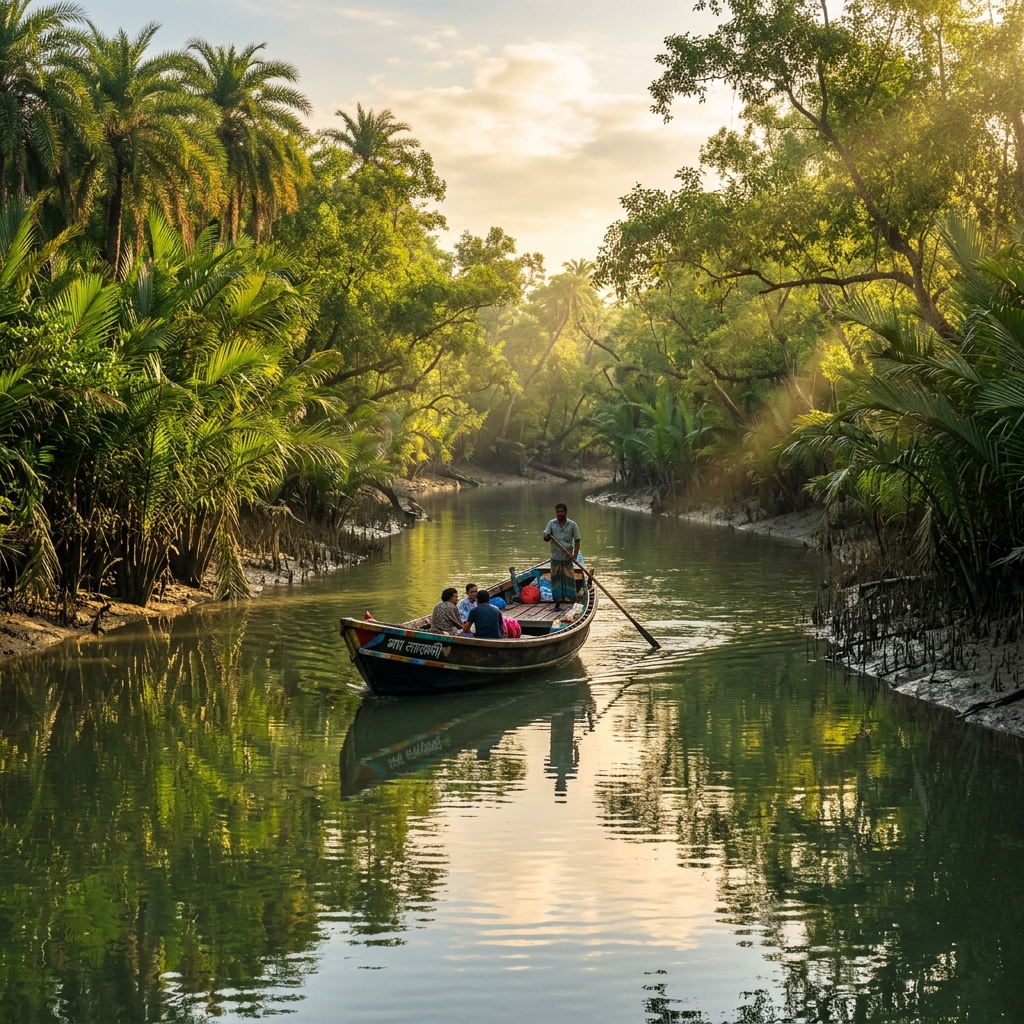
Take a small, non-motorized country boat through the narrow canals around Kotka at dawn to hear the forest wake up and spot rare birds.
Kotka Beach in pictures


Photos via Wikimedia Commons under their respective Creative Commons licences. Click a photo credit for the source and full licence terms.
Highlights
- ✓A completely wild, untouched beach meeting the mangrove forest
- ✓Frequent sightings of large herds of spotted deer on the sand
- ✓High probability of spotting fresh Royal Bengal Tiger pugmarks
- ✓The Jamtola Watchtower offering sweeping views of the canopy
- ✓A deep sense of isolation and raw, untamed nature
How to get to Kotka Beach
Kotka is completely inaccessible by road. You must book a 2- to 3-day liveaboard tour package on a tourist vessel departing from Khulna or Mongla.
Best time to visit Kotka Beach
Winter (November to February): The sea is calm, making the long boat journey safe and pleasant. The weather is cool and dry.
Monsoon/Summer: Generally avoided. The Bay of Bengal becomes extremely rough, and cyclones are a significant danger, making deep forest cruises hazardous.
Where to stay
Visitors sleep in cabins on the liveaboard tourist vessels anchored in the rivers. There are no tourist hotels on the land.
What to eat
- 🍽️All meals are provided by the tour operators on the boat, usually featuring excellent local Bengali cuisine and fresh fish.
Travel tips
- 💡Never wander away from your armed forest guard or tour guide. Kotka is prime tiger territory, and straying from the group is extremely dangerous.
- 💡Swimming at the beach is strictly prohibited due to strong, unpredictable ocean undertows and the presence of sharks and crocodiles.
- 💡Wear dull-colored clothing (greens, browns) to avoid startling the wildlife, and bring strong mosquito repellent.
Nearby Attractions
Frequently Asked Questions
Will I definitely see a tiger?+
No, tiger sightings are purely a matter of extreme luck. However, seeing their fresh footprints on the beach is very common.
Can I go to Kotka for a day trip?+
No, it takes at least 10 to 12 hours of continuous boating from Mongla just to reach Kotka, requiring a multi-day trip.
Are there washrooms at the beach?+
No, the beach is completely wild. You must use the facilities on your anchored tour boat.