Khadimnagar National Park
A serene tropical forest escape in Sylhet
Overview
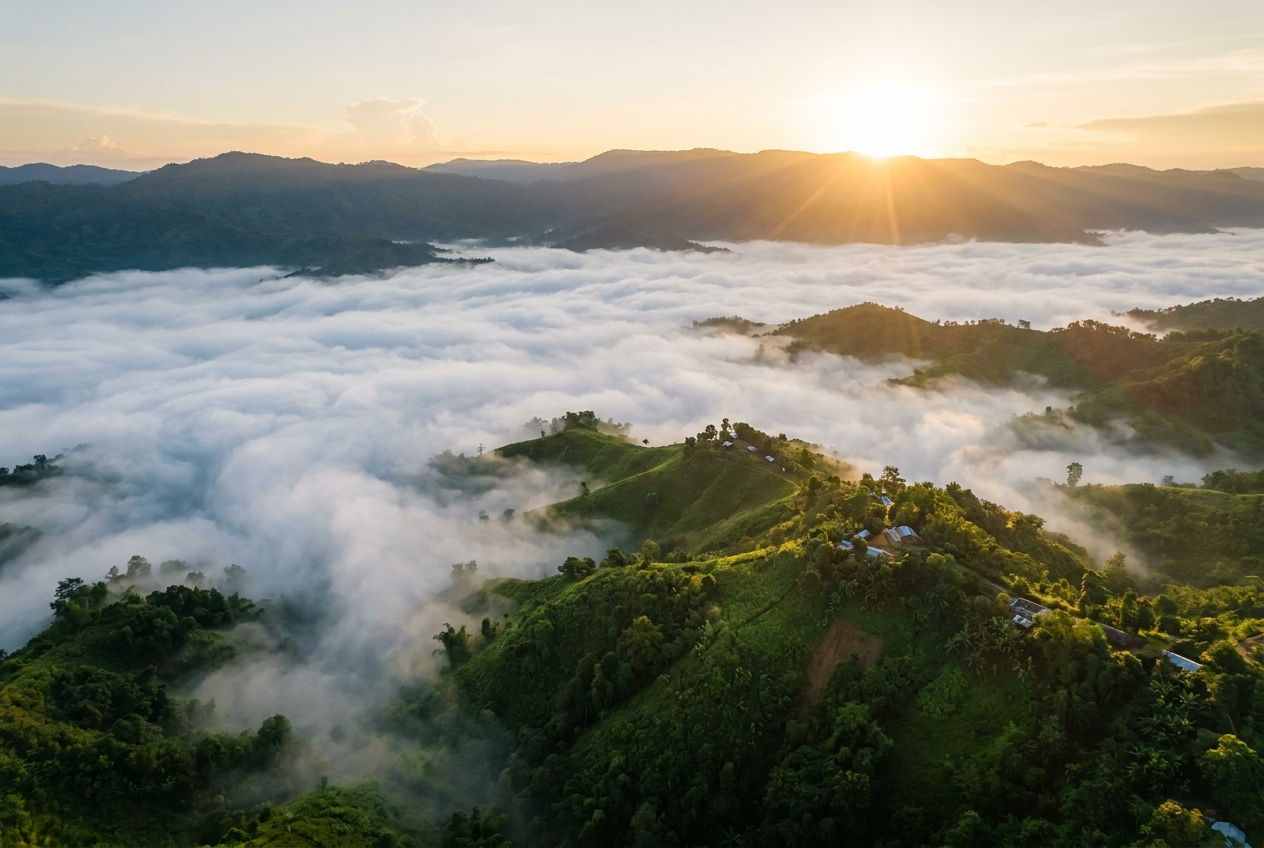
Located just a short 15-kilometer drive from the bustling center of Sylhet city, Khadimnagar National Park is a lush, 679-hectare tropical evergreen forest that feels a world away. Flanked by historic tea estates, the park is a vital sanctuary for biodiversity and a perfect retreat for nature lovers looking for quiet trails and fresh air.
Unlike the more heavily visited Lawachara, Khadimnagar remains relatively off the beaten path, offering a more solitary and peaceful forest experience. The park features a network of well-marked walking and trekking trails that wind through towering bamboo groves, dense mahogany and teak trees, and undulating hillocks. It is a haven for birdwatchers and is home to various species of primates, reptiles, and small mammals.
For adventure enthusiasts, Khadimnagar offers one of the few officially sanctioned, safe forest camping experiences in the region. Waking up to the calls of tropical birds and the rustling of the forest canopy makes a visit to Khadimnagar a memorable, immersive ecological adventure.
History & Culture
The area was historically part of a larger tea estate before it was declared a reserved forest, and eventually elevated to the status of a National Park in 2006 to protect its flora and fauna.
The forest is maintained through a co-management system involving the Bangladesh Forest Department and local communities.
Top things to do in Khadimnagar National Park
Trek the Forest Trails
Choose from a 45-minute or a longer 2-hour trail to hike through the dense woods, exploring the hilly terrain and bamboo grooves.
Forest Camping
Rent a tent from the eco-tour operators or bring your own to spend a night in the designated camping zone, complete with a campfire.
Birdwatching
Walk quietly along the trails early in the morning to spot various species of tropical birds and perhaps some macaques.
Khadimnagar National Park in pictures


Photos via Wikimedia Commons under their respective Creative Commons licences. Click a photo credit for the source and full licence terms.
Highlights
- ✓Dense, tranquil tropical mixed evergreen forest
- ✓Multiple marked hiking and trekking trails
- ✓Safe, designated forest camping grounds
- ✓Rich birdlife and primate populations
- ✓Extremely close and accessible from Sylhet city
How to get to Khadimnagar National Park
From Sylhet city (Amberkhana or major points), hire a CNG auto-rickshaw. The drive takes about 30 to 40 minutes along the Sylhet-Tamabil highway, turning off into a scenic road leading to the park entrance.
Best time to visit Khadimnagar National Park
Winter (November to February): The weather is cool, dry, and perfect for long treks and overnight camping.
Spring (March to April): The forest is full of new blooms and is excellent for birdwatching.
Monsoon (June to September): The forest is breathtakingly green, but trails are extremely muddy, and leeches are highly active.
Where to stay
Most visitors stay in Sylhet city, which has accommodations for all budgets. If you want to stay in the forest, you can arrange tent camping through the local eco-tour management.
What to eat
- 🍽️Traditional Sylheti cuisine (like beef shatkora) at restaurants back in the city
- 🍽️Campfire BBQ if you are staying overnight in a tent
Travel tips
- 💡If visiting during the monsoon, wear proper trekking shoes and carry salt or insect repellent to deal with leeches.
- 💡Hire a local eco-guide at the entrance; they help navigate the trails safely and can spot wildlife you might miss.
- 💡Carry sufficient drinking water, as there are no shops deep inside the forest trails.
Nearby Attractions
Frequently Asked Questions
Is there an entry fee?+
Yes, a nominal entry fee is charged at the forest gate to support conservation efforts.
Is it safe to camp in the forest?+
Yes, the designated camping area is secure and managed by local authorities and eco-guides, making it very safe.
Are there dangerous animals in the park?+
There are no large predators like tigers or leopards. The main wildlife consists of monkeys, deer, wild boars, and various snake species, so sticking to the trails is advised.