Nafakhum
Bangladesh's wildest waterfall, deep in the hill tracts
Overview
Nafakhum is one of the largest and most remote waterfalls in Bangladesh, plunging over rocky steps on the Remakri river in the Thanchi upazila of Bandarban district. The falls tumble for roughly 80 to 100 metres through dense hill forest, with a main cascade of about 25 to 30 metres that roars through a remote valley close to the Myanmar border. Movement in the area is controlled by the army, and a registered local guide is mandatory, lending the trek an expedition-like atmosphere well beyond the usual weekend getaway.
The journey to Nafakhum is part of the experience. Most visitors travel from Bandarban town to Thanchi by Chander Gari in around four to five hours, then walk two to four days through indigenous Mro, Tripura, Bawm and Marma villages. Nights are spent in basic bamboo huts with sleeping mats and simple meals, with porters carrying kit between remote settlements. Some organised tours combine Nafakhum with Boga Lake as a four to six day remote circuit, making it a highlight of any serious hill tracts itinerary.
Because of its location near the international frontier, visits to Nafakhum are tightly regulated. Permits and rules are arranged by the local upazila administration or your tour operator, and these rules change, so they should always be checked before departure. Travelling with an experienced local operator is the standard way to sort paperwork, guides and porters in one go. Mobile signal is patchy and there is no ATM beyond Bandarban town, which makes preparation essential.
The best season to visit Nafakhum is from October to March, when the dry weather keeps the trail and river crossings safer. During the monsoon the same rivers and slippery tracks that make the falls spectacular become genuinely dangerous. A typical visit involves two to three nights on the trail, with extra days added if you are linking the waterfall with Boga Lake. Visitors should bring a sleeping bag, sturdy boots, rain protection, basic first aid and enough cash for the entire trip.
History & Culture
Nafakhum takes its name from the Marma language, combining 'Nafa', a local name for the Remakri river, with 'khum', meaning waterfall. The name reflects how closely the indigenous Marma community identity is tied to the rivers and gorges of the Thanchi area. For generations the falls have sat within the traditional lands of the Marma, Mro, Tripura and Bawm peoples, whose villages still line the route in.
The waterfall only became a serious trekking destination as organised adventure travel opened up the remotest parts of the Chattogram Hill Tracts in recent decades. Its position close to the Myanmar border means that access remains controlled by the army, and permits are arranged through the local upazila administration or registered tour operators. Rules and procedures can change without notice, so conditions on the ground today reflect ongoing security considerations rather than purely tourism management.
Top things to do in Nafakhum
Trek to the main cascade
Walk two to four days from Thanchi along forest trails to reach the main 25-30 metre drop of Nafakhum. The final approach winds through rocky steps and dense vegetation that reward the effort with a thundering wall of water.
Combine with Boga Lake
Join an organised 4-6 day remote circuit that links Nafakhum with Boga Lake for a fuller picture of the hill tracts. It is the most efficient way to see two of the region's headline landscapes in a single expedition.
Stay in indigenous villages
Overnight in basic bamboo huts in Mro, Tripura, Bawm or Marma settlements along the trail. The hospitality is simple but warm, and it is a rare chance to learn about communities whose way of life is closely tied to the forest.
Cross the Remakri river on foot
River crossings on logs or stepping stones are part of the daily routine on the trail. Guides read the water carefully each morning, and these fords are one of the most memorable practical adventures of the trip.
Photograph borderland forest
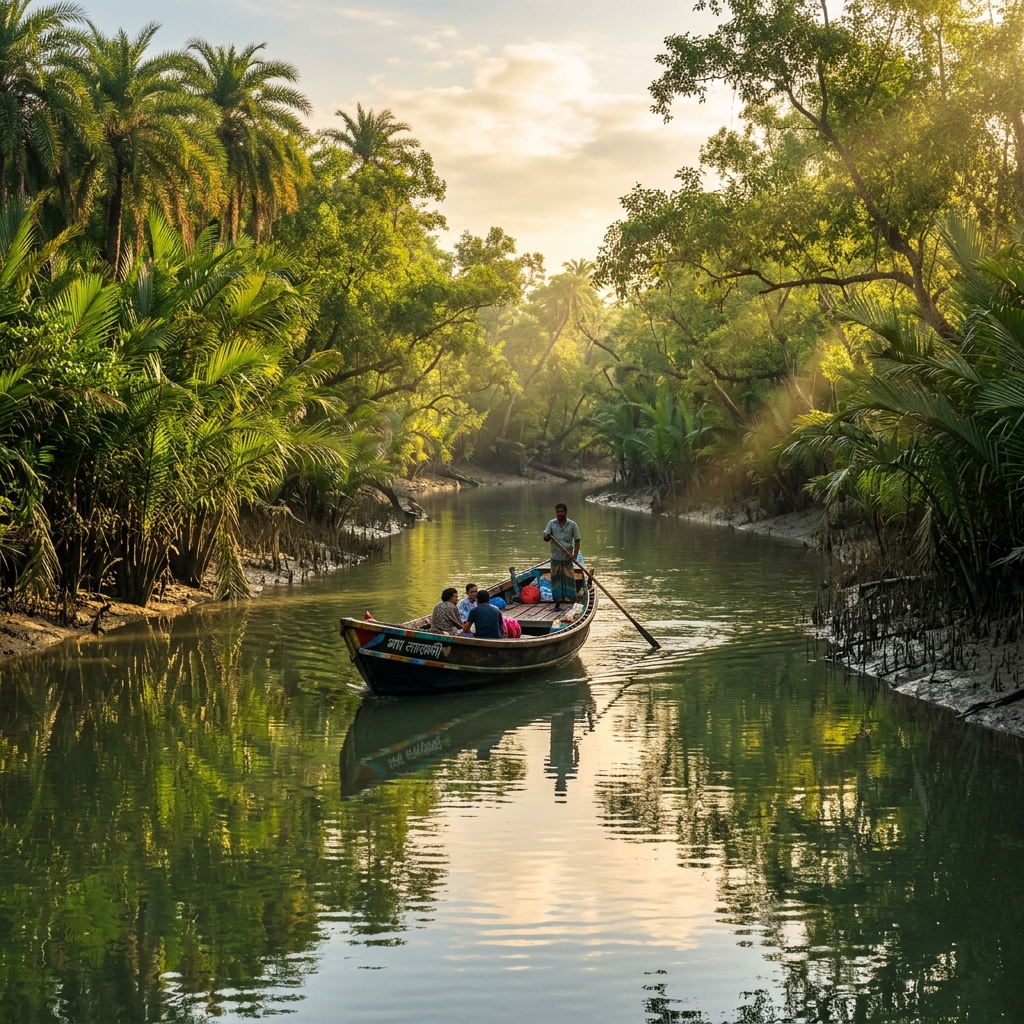
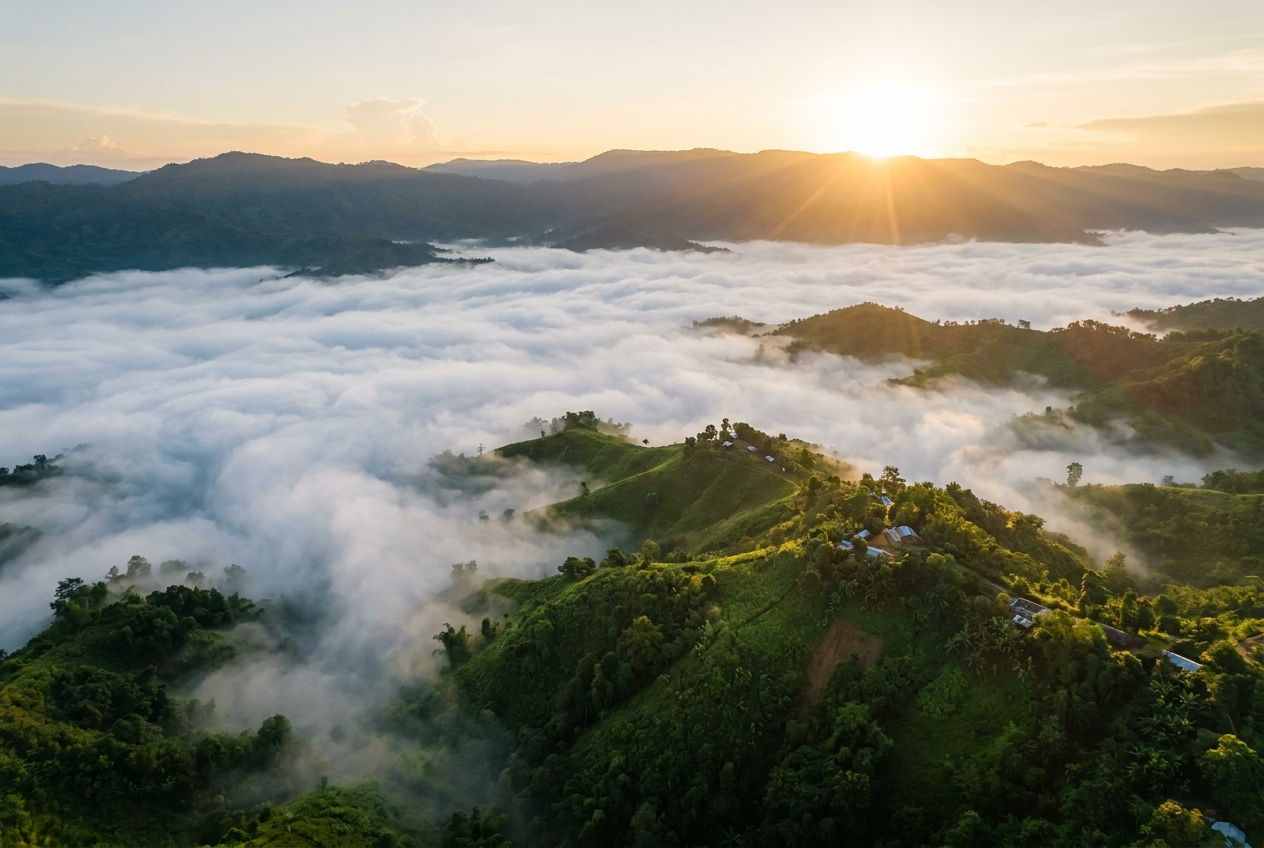
Spend mornings and golden hours capturing the layered cascades, towering trees and shifting mists of the Remakri gorge. With patchy mobile signal and few other visitors, conditions for landscape photography are exceptional.
Nafakhum in pictures


Photos via Wikimedia Commons under their respective Creative Commons licences. Click a photo credit for the source and full licence terms.
Highlights
- ✓Bangladesh's largest and most remote waterfall on the Remakri river
- ✓Main cascade of around 25-30 metres inside an 80-100 metre rocky staircase
- ✓Multi-day trek through Mro, Tripura, Bawm and Marma indigenous villages
- ✓Near-pristine hill forest in Thanchi upazila, Bandarban district
- ✓Borderland scenery close to the Myanmar frontier
- ✓Classic pairing with Boga Lake on a 4-6 day remote circuit
How to get to Nafakhum
Take a Chander Gari from Bandarban to Thanchi, a journey of roughly four to five hours over rough hill roads. From Thanchi the trek to Nafakhum takes a further two to four days on foot through indigenous villages, with a registered local guide mandatory.
Combine the Bandarban transfer with the Thanchi drive and the multi-day trek for a round trip of around six to eight days from Chattogram. Most travellers join an organised tour that handles transport, permits, guides and porters in one package.
Book through an experienced local operator who can arrange the upazila permit, army clearance, guide and porters. This is the recommended way to visit, as rules and conditions in the border area change and on-the-ground logistics are complex.
Best time to visit Nafakhum
October to March is the dry season and the recommended window for the Nafakhum trek. Trails are firmer, river crossings on the Remakri are safer, and the weather is generally clear enough to enjoy the falls and surrounding forest.
During the monsoon the same rivers swell dramatically, making fords hazardous and forest paths slippery. While the waterfall is at its most powerful in these months, the risks for trekkers are significant and most operators do not run trips.
Shoulder months at the start and end of the dry season can be quieter, though conditions vary year to year. Always confirm current ground conditions with your operator and the upazila administration before setting out from Thanchi.
Where to stay
Accommodation on the Nafakhum trek is in basic bamboo huts in the indigenous villages along the route, with sleeping mats and simple meals provided. Bring your own sleeping bag, food extras and cash, as facilities beyond Thanchi are minimal.
What to eat
- 🍽️Simple rice and dal meals served in village bamboo huts
- 🍽️Freshly caught river fish from the Remakri where available
- 🍽️Local vegetables and bamboo shoot dishes from hill gardens
- 🍽️Strong hill tea taken with condensed milk after a long trek
Travel tips
- 💡Book through an experienced local operator who arranges permits, guides and porters
- 💡Carry a sleeping bag, sturdy boots, rain protection and a basic first aid kit
- 💡Bring enough cash for the whole trip, as there is no ATM beyond Bandarban town
- 💡Expect patchy or no mobile signal once you leave Thanchi
- 💡Stick to October to March travel and avoid the monsoon when river crossings are dangerous
Nearby Attractions
Frequently Asked Questions
Where is Nafakhum waterfall located?+
Nafakhum is in the Thanchi upazila of Bandarban district, in the Chattogram Hill Tracts of Bangladesh. It sits on the Remakri river in a remote area close to the Myanmar border, where movement is controlled by the army.
How difficult is the trek to Nafakhum?+
The trek from Thanchi to Nafakhum takes two to four days each way through dense forest and indigenous villages. It is considered a serious multi-day hike rather than a day walk, and a registered local guide is mandatory.
Do I need a permit to visit Nafakhum?+
Yes, permits and access rules are arranged by the local upazila administration or your tour operator because the falls lie near the Myanmar border. Rules can change, so always confirm current requirements before you travel.
When is the best time to visit Nafakhum?+
October to March is the best time, during the dry season when the trail and river crossings are safer. The monsoon makes the route and fords dangerous, and most operators do not run trips in those months.
Can Nafakhum be combined with Boga Lake?+
Yes, many organised tours treat Nafakhum and Boga Lake as a single 4-6 day remote circuit. Combining them is the most efficient way to see both headline landscapes of the Bandarban hill tracts in one expedition.