Char Kukri Mukri
Bangladesh's remote mangrove frontier where the delta meets the sea
Overview
Char Kukri Mukri is a remote char island lying at the southern tip of Bhola district, where the mighty Meghna river empties into the south-central Bay of Bengal. Sheltered within the larger Char Kukri Mukri Wildlife Sanctuary, the island offers an unfiltered encounter with one of Bangladesh's most dynamic coastal landscapes. Its isolation has kept it largely off the conventional tourist trail, making it a destination for those seeking wild, unspoilt nature rather than polished amenities.
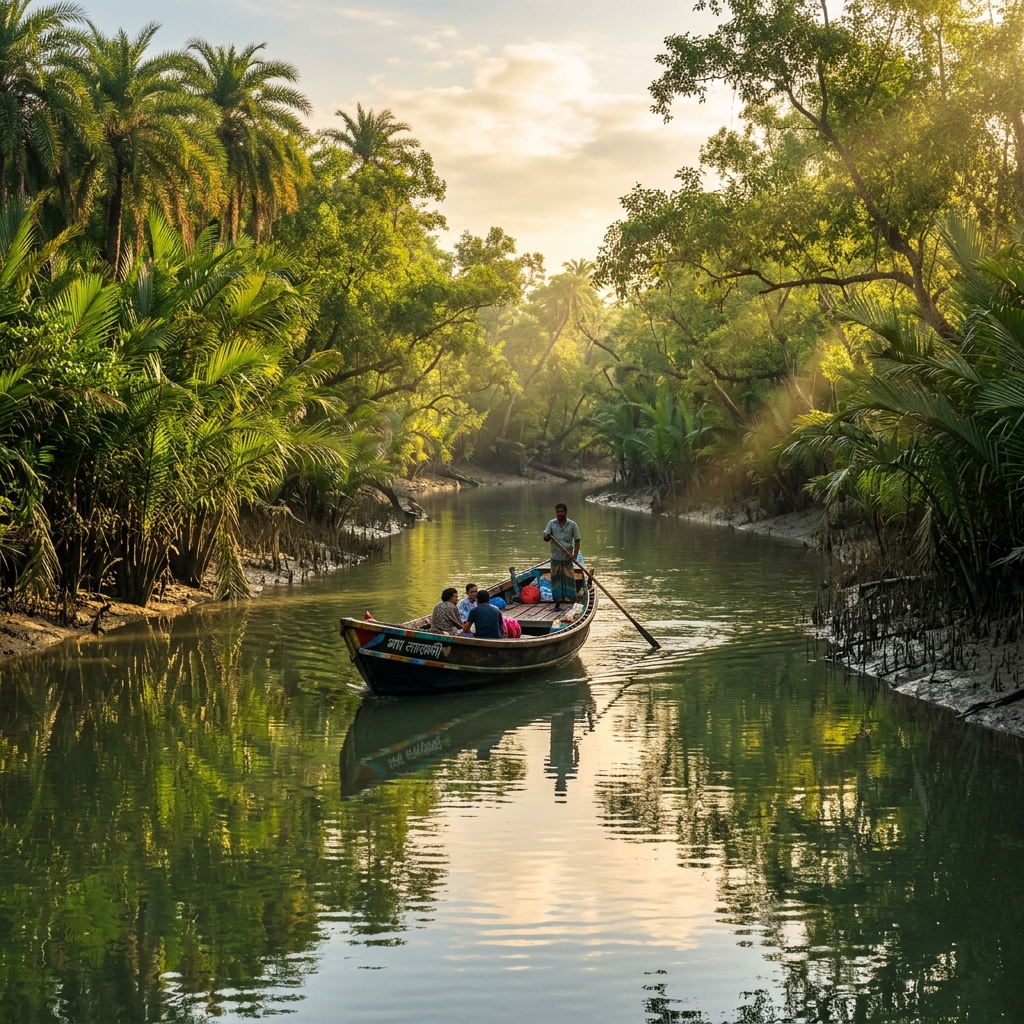
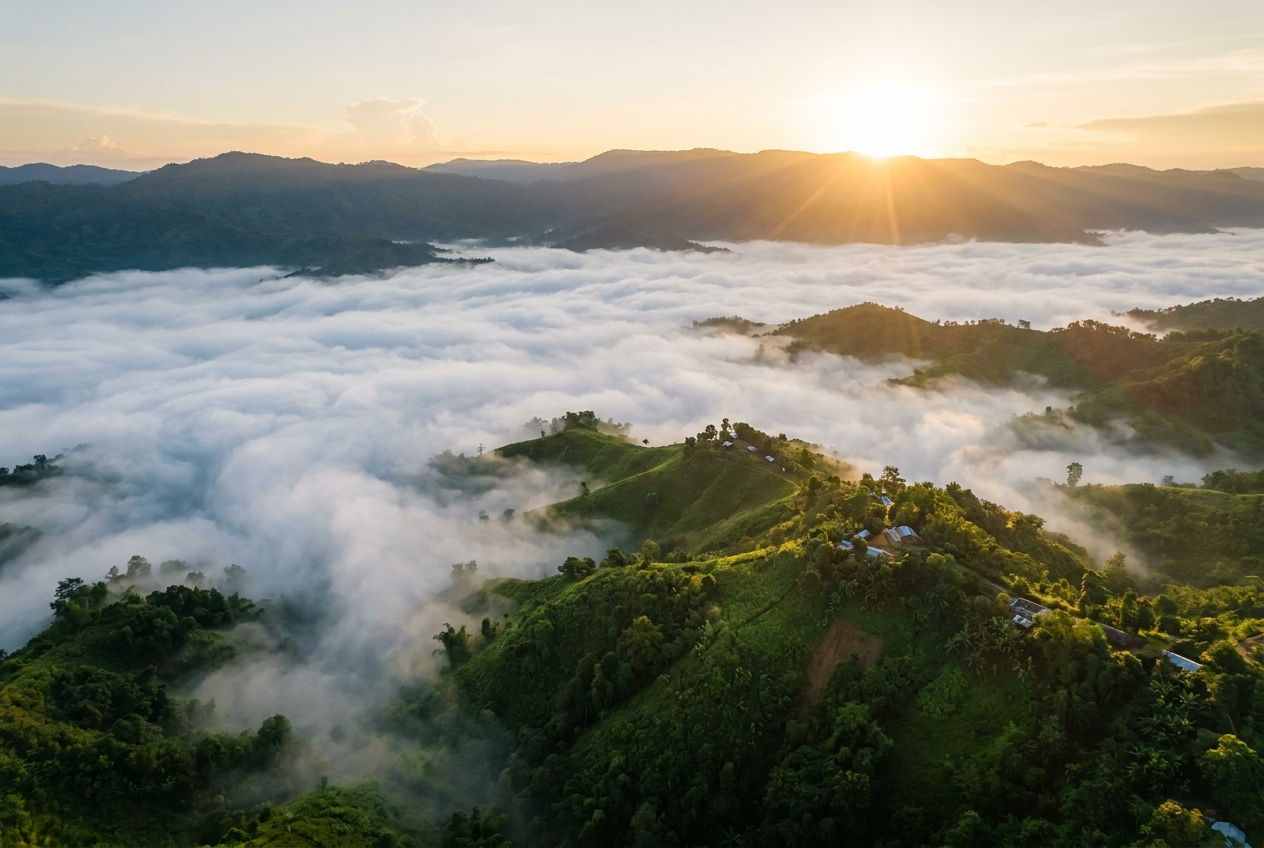
The landscape is a striking mosaic of mangroves, tidal forests, mudflats and sandy shorelines, shaped constantly by the shifting waters of the delta. These habitats sustain a wealth of shorebirds and waterbirds, while a few species of deer find refuge among the dense vegetation. A long unbroken beach runs along the seaward side, and the sanctuary's network of watchtowers and walking paths allows visitors to observe wildlife and scenery with minimal disturbance to the fragile environment.
Despite its protected status, Char Kukri Mukri remains a living, working landscape. Fishing and small-scale agriculture sustain the small local population, whose lives are intimately tied to the rhythms of tide and season. The island also serves as a focal point for delta research and the Bangladesh Forest Department's ongoing afforestation and mangrove-restoration efforts, giving visitors a chance to witness conservation work in action as well as natural beauty.
Reaching the island is itself part of the adventure. Travellers journey from Barishal by road and ferry to Bhola, then continue by local transport to the southern coast before crossing the channel by small boat. The full trip from Barishal typically takes between four and six hours, and most visitors come prepared for a day visit, as formal accommodation on the island itself is not available. Those who linger tend to base themselves in Bhola town and combine the excursion with broader exploration of Bhola and the Barishal heritage region.
History & Culture
The Char Kukri Mukri Wildlife Sanctuary was established to protect the coastal mangrove and wetland habitat of this remote southern stretch of Bhola district. As a designated protected area under the Bangladesh Forest Department, the sanctuary underpins ongoing efforts to safeguard the delta's biodiversity and to manage the pressures facing such a dynamic coastal environment.
Beyond its conservation role, the broader area has become a focal point for delta research and for the Forest Department's afforestation and mangrove-restoration initiatives. The small resident population continues to depend on fishing and small-scale agriculture, livelihoods that have long adapted to the rhythms of the Meghna and the Bay of Bengal.
Top things to do in Char Kukri Mukri
Explore the wildlife sanctuary on foot
Follow the walking paths through the mangroves and tidal forests, using the sanctuary's watchtowers to scan the canopy and mudflats for wildlife. Early morning and late afternoon are the most rewarding times to spot birds and other animals.
Watch birds along the coast and mudflats
Bring binoculars to observe shorebirds and waterbirds feeding along the tidal flats. The November-to-February winter migration brings an impressive variety of species to the area.
Walk the unbroken seaward beach
Stroll the long sandy shoreline on the seaward side of the island, where the Bay of Bengal stretches to the horizon. The open beach is ideal for photography and quiet contemplation of the delta's vastness.
Learn about mangrove restoration
Engage with local guides or Forest Department staff to understand the afforestation and mangrove-restoration work underway on the island. The visit offers insight into how Bangladesh is protecting its vulnerable coast.
Combine the trip with Bhola and Barishal
Use Char Kukri Mukri as the wild finale to a broader heritage journey through Bhola district and the Barishal region. The contrast between delta wilderness and historic river-town culture makes for a rewarding circuit.
Char Kukri Mukri in pictures


Photos via Wikimedia Commons under their respective Creative Commons licences. Click a photo credit for the source and full licence terms.
Highlights
- ✓Mangrove and tidal forest mosaic at the Meghna's mouth
- ✓Long unbroken sandy beach on the seaward coast
- ✓Rich habitat for shorebirds, waterbirds and deer
- ✓Watchtowers and walking paths within the wildlife sanctuary
- ✓Active site for delta research and mangrove restoration
- ✓Authentic glimpse of a small fishing and farming community
How to get to Char Kukri Mukri
Travel from Barishal by road and ferry to Bhola town. This leg of the journey is long and connections vary, so allow plenty of time and check ferry schedules in advance.
From Bhola town, continue by local transport to the southern end of Bhola island. The roads are rural and services may be infrequent, so plan for an early start.
From the southern coast of Bhola, take a small boat across the channel to Char Kukri Mukri. Arrange the boat and a local guide in advance, and expect the full journey from Barishal to take four to six hours depending on connections.
Best time to visit Char Kukri Mukri
November to February is the prime season, offering cool, dry weather and the arrival of winter migrants from further north. Birdwatchers will find the diversity of shorebirds and waterbirds at its peak during these months, and sea conditions are generally calmer for the boat crossing.
March to May brings rising temperatures and increasing humidity, with pre-monsoon heat building through April and May. The landscape remains beautiful and the sanctuary is quieter, but visitors should be prepared for strong sun and limited shade on the open beach and trails.
June to September is the monsoon season, with heavy rain, strong winds and a heightened risk of cyclones in the Bay of Bengal. Boat services may be suspended and the sanctuary's watchtowers can be unsafe in strong winds, so travel during these months is best avoided.
Where to stay
There is no formal accommodation on Char Kukri Mukri itself, and most visitors come on a day trip carrying their own supplies. Travellers wishing to linger typically stay in Bhola town, where basic guesthouses are available.
What to eat
- 🍽️Fresh river and sea fish caught by the local community
- 🍽️Simple rice and dal meals prepared in Bhola town
- 🍽️Local coconut-based curries common to the Barishal region
- 🍽️Seasonal fruits and snacks brought along for the boat trip
Travel tips
- 💡Arrange your boat and a local guide well in advance of the trip
- 💡Carry sufficient water, food, sun protection and insect repellent
- 💡Respect sanctuary rules and avoid the watchtowers in strong winds
- 💡Plan the visit as a day trip and base yourself in Bhola town if you wish to stay overnight
- 💡Combine the excursion with a broader Bhola and Barishal heritage trip for a richer journey
Nearby Attractions
Frequently Asked Questions
Where is Char Kukri Mukri located?+
Char Kukri Mukri is a remote char island at the southern end of Bhola district, at the mouth of the Meghna river in the south-central Bay of Bengal. It lies within the larger Char Kukri Mukri Wildlife Sanctuary.
How do I reach Char Kukri Mukri from Barishal?+
From Barishal, travel by road and ferry to Bhola, continue by local transport to the southern coast of Bhola, and then take a small boat across the channel to the island. The full journey from Barishal typically takes four to six hours depending on connections.
Is there accommodation on Char Kukri Mukri?+
There is no formal accommodation on the island itself, and most visitors come on a day trip with their own supplies. Those wishing to stay overnight usually base themselves in Bhola town.
What wildlife can I see in the sanctuary?+
The sanctuary's mangroves, tidal forests and mudflats are important habitat for a variety of shorebirds and waterbirds, as well as a few species of deer. The November-to-February winter migration brings an especially rich diversity of birdlife.
When is the best time to visit Char Kukri Mukri?+
November to February is the best time, with cool weather and the arrival of winter migrants. The June-to-September monsoon should be avoided due to storms, heavy rain and the risk of cyclones.